
Research
The science, in plain language
10
Studies summarised
2
Carried out in people
4
Tested against a named drug
What was done with it
10 studies, strongest finding first

1st of 5
ahead of both pharmacy creams
Applied to burns, Sidr healed faster than two pharmacy creams
Sidr honey healed wounds faster than the other two honeys and faster than both commercial creams.
Tested directly against two commercial wound creams.
Animal study · Applied to skinRead
1,000
people, followed for one year
The largest study of people eating Sidr honey daily
The honey group reported results sooner than the syrup group, and reported fewer side effects.
Human study · EatenRead
10 g
a daily spoonful, for three months
Three months of daily honey, measured in blood
LDL cholesterol fell, HDL cholesterol rose, and body mass index dropped — though the study cannot prove the honey caused it.
Human study · EatenRead
68.2%
biofilm inhibition, against imipenem's 55.2%
Hadhramaut honey, tested against drug-resistant bacteria
The extract broke up bacterial biofilms more effectively than two reference hospital drugs it was compared against.
Tested directly against imipenem and a second reference antibiotic.
Laboratory study · Tested in a dishRead
As well as
povidone-iodine, the standard antiseptic it was tested against
Kept pace with a standard antiseptic on contaminated wounds
Honey and the antiseptic tracked each other closely over 28 days, with no measurable difference between them.
Tested directly against povidone-iodine antiseptic.
Animal study · Applied to skinRead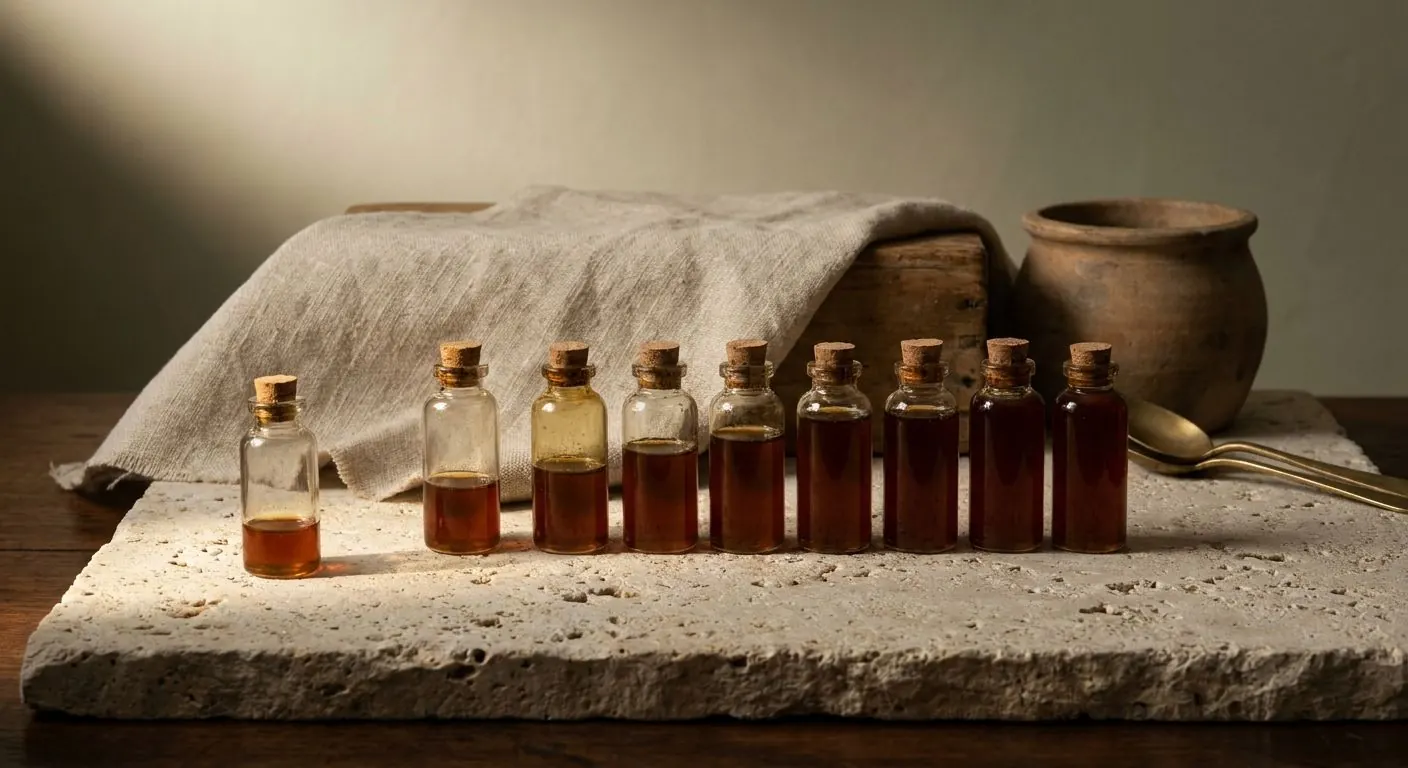
5–10%
the concentration Yemeni Sidr needed
How Sidr compares with Manuka in the laboratory
Yemeni Sidr needed the smallest amount of any honey tested to stop Gram-positive bacteria growing — a group that includes Staphylococcus aureus.
Laboratory study · Tested in a dishRead
100 mg/kg
the lowest dose that still worked
Protecting the stomach lining, measured against a standard medicine
Even the lowest dose significantly reduced the damage, and the protective effect increased with the dose.
Tested directly against a standard gastroprotective drug.
Animal study · EatenRead
3 of 3
measures responded to dose
Inflammation and pain responses, and the compounds behind them
The effect increased with the dose across all three measures, and the honey was found to contain flavonoids, alkaloids, saponins and tannins.
Animal study · EatenRead
2 organs
liver and kidney markers both improved
Protection against chemical damage to liver and kidneys
The honey-fed animals showed measurably less oxidative damage to both organs than those without it.
Animal study · EatenRead
4 of 5
Yemeni honeys beat every imported one
Why Yemeni honey is not the same as supermarket honey
Four of the five Yemeni honeys contained significantly more total phenolics than every imported honey tested.
Composition analysis · Tested in a dishRead
These are summaries of published research about Sidr honey as a substance, provided for information only. They are not claims about what our products do, and they are not medical advice. Our honey is a food. It is not intended to diagnose, treat, cure or prevent any disease, and any medical question belongs with a qualified healthcare professional.